




<

கல்வி/வேலைவாய்ப்பு
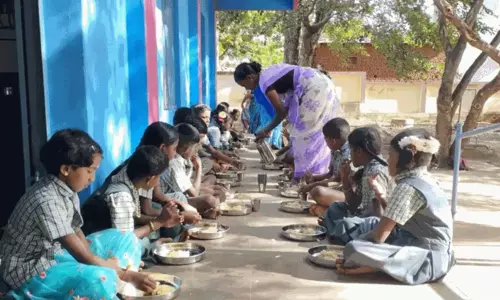
நெல்லை மாவட்ட சத்துணவு மையங்களில் வேலை: 15 காலிப்பணியிடங்கள்... உடனே விண்ணப்பிங்க
21 வயது முதல் 40 வயதுக்கு உட்பட்டவர்கள் விண்ணப்பிக்கலாம்.
10 Jan 2026 10:20 AM IST
மத்திய அரசு நிறுவனத்தில் வேலை: டிப்ளமோ முடித்தவர்களுக்கு அருமையான வாய்ப்பு
காலியாக உள்ள 132 பணியிடங்களை நிரப்ப அறிவிப்பு வெளியிடப்பட்டுள்ளது.
7 Jan 2026 2:02 PM IST
சென்னை திருவொற்றியூரில் உள்ள தியாகராஜர் கோவிலில் வேலை வாய்ப்பு- 10 காலிப்பணியிடங்கள்
இந்து சமய அறநிலையத் துறை கட்டுப்பாட்டில் உள்ள இக்கோவிலில் காலியாக இருக்கக்கூடிய பணியிடங்களை அறிவிப்பு வெளியாகியுள்ளது.
7 Jan 2026 8:30 AM IST
சென்னை ஐசிஎப்-இல் வேலை.. 25 காலிப்பணியிடங்கள்
இந்திய ரெயில்வேக்கு சொந்தமான ஐசிஎப்பில் உள்ள காலிப்பணியிடங்களை நிரப்ப அறிவிப்பு வெளியாகி உள்ளது.
6 Jan 2026 7:14 AM IST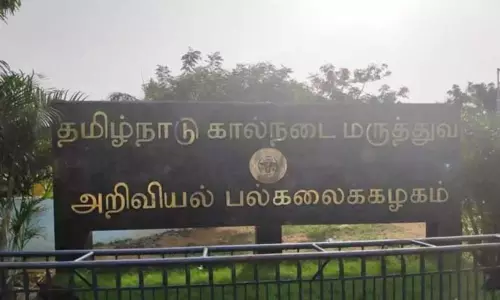
தமிழக அரசு வேலை..60 காலிப்பணியிடங்கள்- யாரெல்லாம் விண்ணப்பிக்கலாம்?
மொத்தம் 60 பணியிடங்களை நிரப்ப அறிவிப்பு வெளியாகியுள்ளது.
5 Jan 2026 7:07 AM IST
கை நிறைய சம்பளம்; கொட்டிக்கிடக்கும் வேலை வாய்ப்புகள்- சிஏ படிப்புகள் பற்றிய முழு விவரம்
சி.ஏ. பட்டப்படிப்பை முடித்தவர்களுக்கு பைனான்சியல் ரிப்போர்ட்டிங், நேஷனல் அன்ட் இண்டர்நேஷேனல் டேக்சேஷேன், பைனான்ஸ் அன்ட் கார்ப்பரேட் லா போன்ற துறைகளில் மிகச்சிறந்த பணி வாய்ப்புகள் உள்ளன.
5 Jan 2026 6:20 AM IST
ரெயில்வேயில் வேலை.. 312 பணியிடங்கள்- யாரெல்லாம் விண்ணப்பிக்கலாம்?
ரெயில்வே ஆட்சேர்ப்பு வாரியமான ஆர்.ஆர்.பி இதற்கான அறிவிப்பை வெளியிட்டுள்ளது.
3 Jan 2026 7:10 AM IST
2025-ல் மட்டும் 20,471 தேர்வர்கள் அரசுப் பணிக்கு தேர்வு : டிஎன்பிஎஸ்சி தகவல்
2024-ம் ஆண்டுடன் ஒப்பிடும் போது 9,770 தேர்வர்கள் கூடுதலாக தேர்வு செய்யப்பட்டுள்ளனர் என்பது குறிப்பிடத்தக்கது.
1 Jan 2026 8:27 AM IST
சென்னை நங்கநல்லூர் ஆஞ்சநேயர் கோவிலில் வேலை வாய்ப்பு.. ரூ.48,000 சம்பளம்- உடனே விண்ணப்பிங்க
ஆதிவ்யாதிஹர பக்த ஆஞ்சநேயர் திருக்கோவிலில் காலியாக உள்ள பணியிடங்களை நிரப்ப அறிவிப்பு வெளியாகியுள்ளது.
31 Dec 2025 9:19 AM IST
மீனாட்சி மருத்துவக் கல்லூரியில் 19-வது ஆண்டு பட்டமளிப்பு விழா
மீனாட்சி மருத்துவக் கல்லூரி பட்டமளிப்பு விழாவின் முதல் நாளில் டாக்டர். அமர் அகர்வால் தலைமை விருந்தினராக கலந்து கொண்டார்.
30 Dec 2025 5:48 PM IST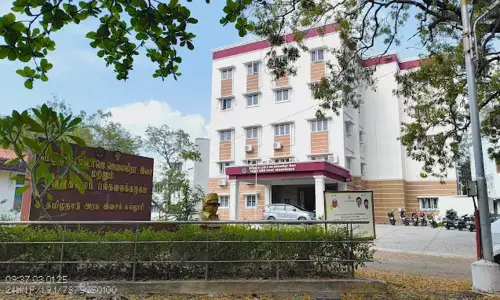
தமிழ்நாடு டாக்டர் ஜெ.ஜெயலலிதா இசை மற்றும் கவின்கலை பல்கலைக்கழகம் அங்கீகரித்த கல்லூரிகள் மற்றும் படிப்புகள் - முழு விவரம்
வாய்ப்பாடு, வீணை, வயலின், மிருதங்கம், நாகஸ்வரம் ஆகியவற்றில் பட்டப்படிப்புகளையும், பட்ட மேற்படிப்புகளையும் இந்தப் பல்கலைக்கழகம் நடத்துகிறது.
29 Dec 2025 6:55 AM IST
மாணவர்கள் கவனத்திற்கு...இளநிலை நீட் தேர்வுக்கான பாடத்திட்டம் வெளியீடு
2026-27-ஆம் கல்வியாண்டுக்கான நீட் தோ்வு அடுத்த ஆண்டு நாடு முழுவதும் தோ்வு நடைபெற உள்ளது.
26 Dec 2025 8:51 AM IST





எங்களைப்பற்றி தனித்தன்மை பாதுகாப்பு தொடர்புகொள்ள வலைத்தள தொகுப்பு ஆலோசனைகள் வேலைவாய்ப்பு
Paper Ad Tariff Web Ad Tariff Terms & Conditions (E-paper) Archive Sitemap
காப்புரிமை 2024, © The Thanthi Trust Powered by Hocalwire